From Chaos to Clarity
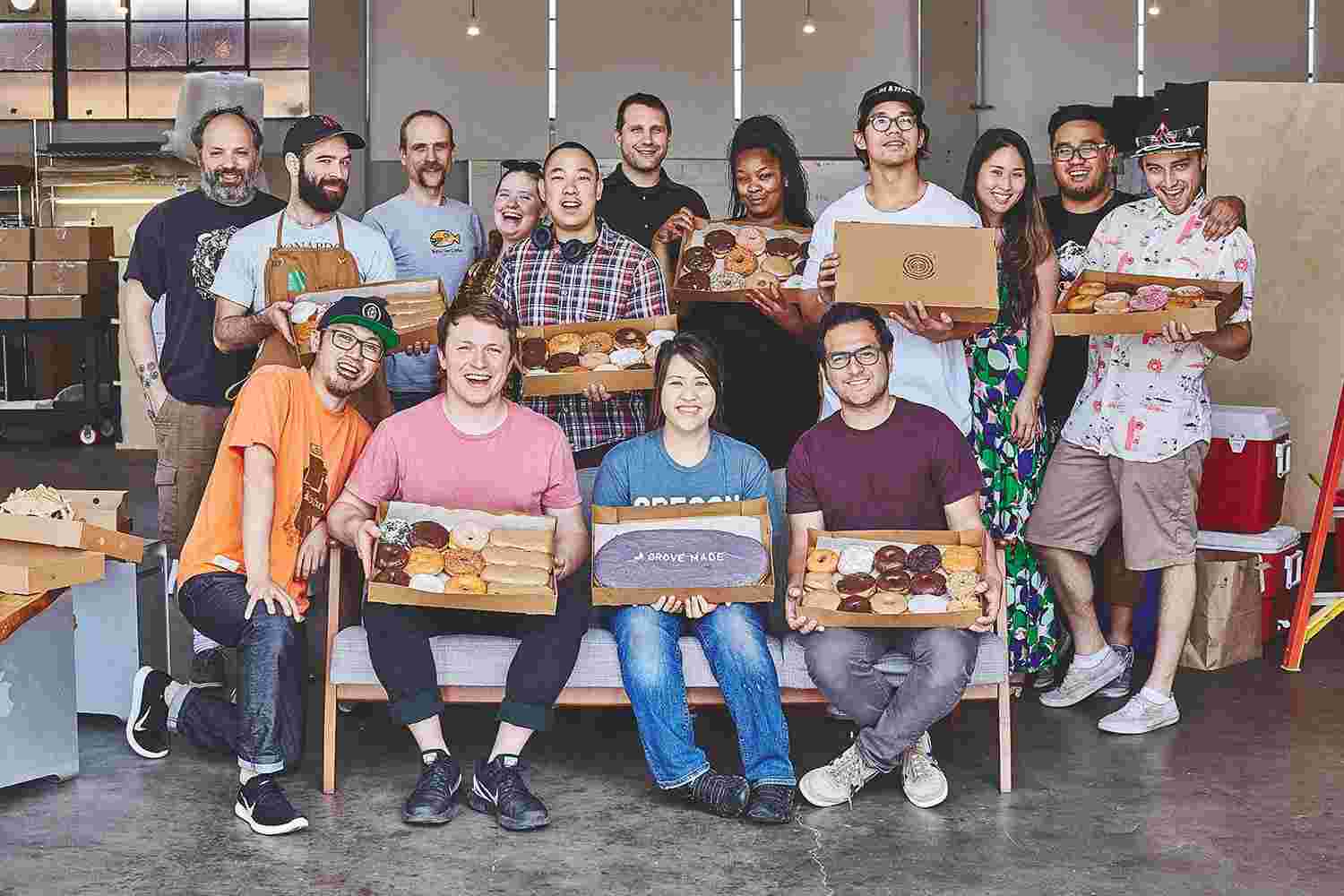
On April 25th, we staged the first public exhibition in Grovemade’s sixteen-year history. This is the story of how it came together, told by three of the people who made it happen.
Before
The idea had been in the back of co-founder Ken Tomita's mind for a while. But ideas like this one don't happen until the conditions are right.

KEN TOMITA (Grovemade Co-Founder): Doing physical exhibitions is genuinely hard. There's a real resource barrier, and for a long time it just wasn't the right moment. What made this one feel possible was that we were able to do it ourselves, in-house. My colleague Ben used to run a contracting business, doing construction, interiors, and furniture. We used to work together back in the day, and getting to do that again was a big part of what made this feel right. It was as much about that as anything else.
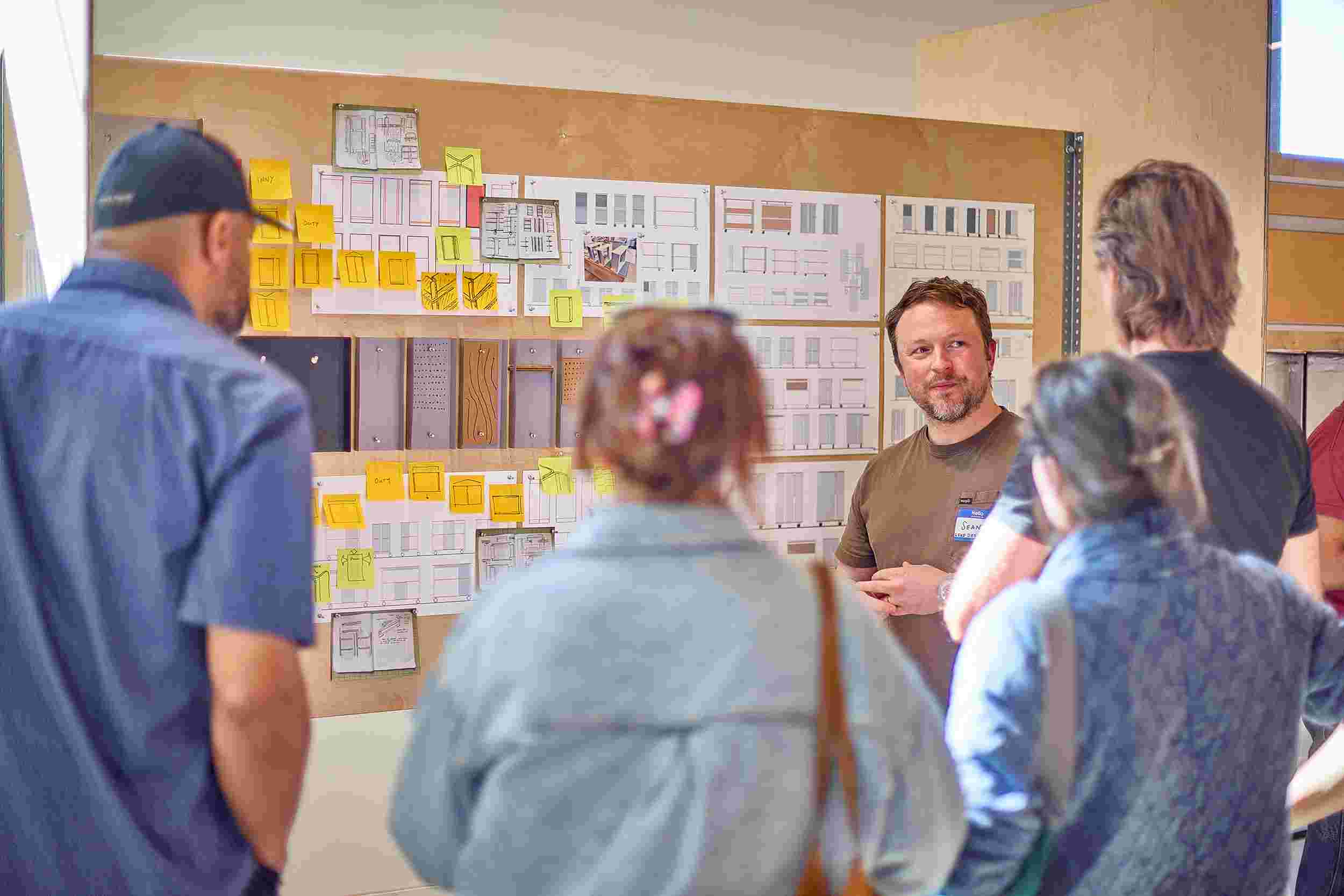
For Sean Kelly, Grovemade's lead designer, the challenge was translating fifteen years of process into something a stranger could walk through in forty-five minutes.
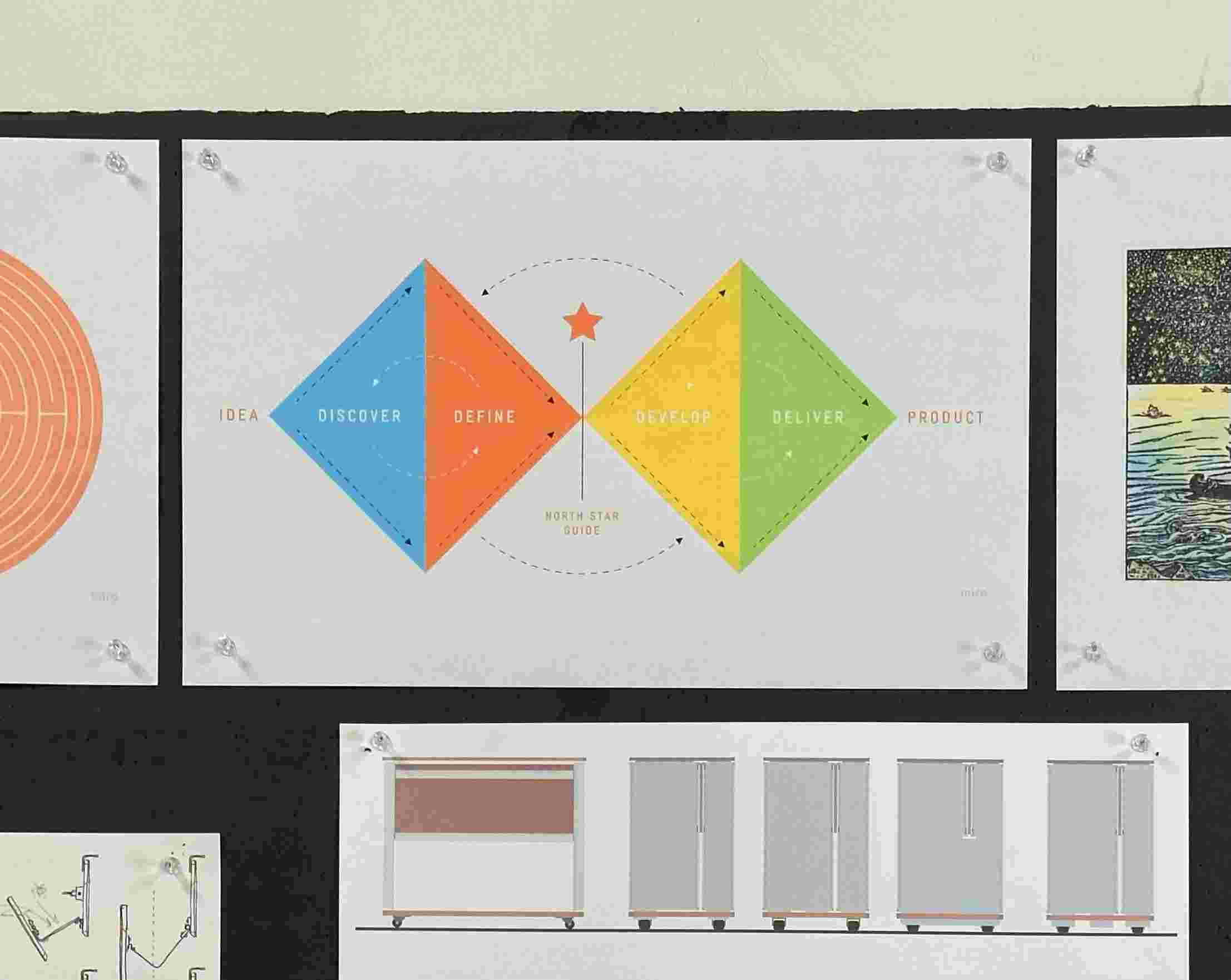

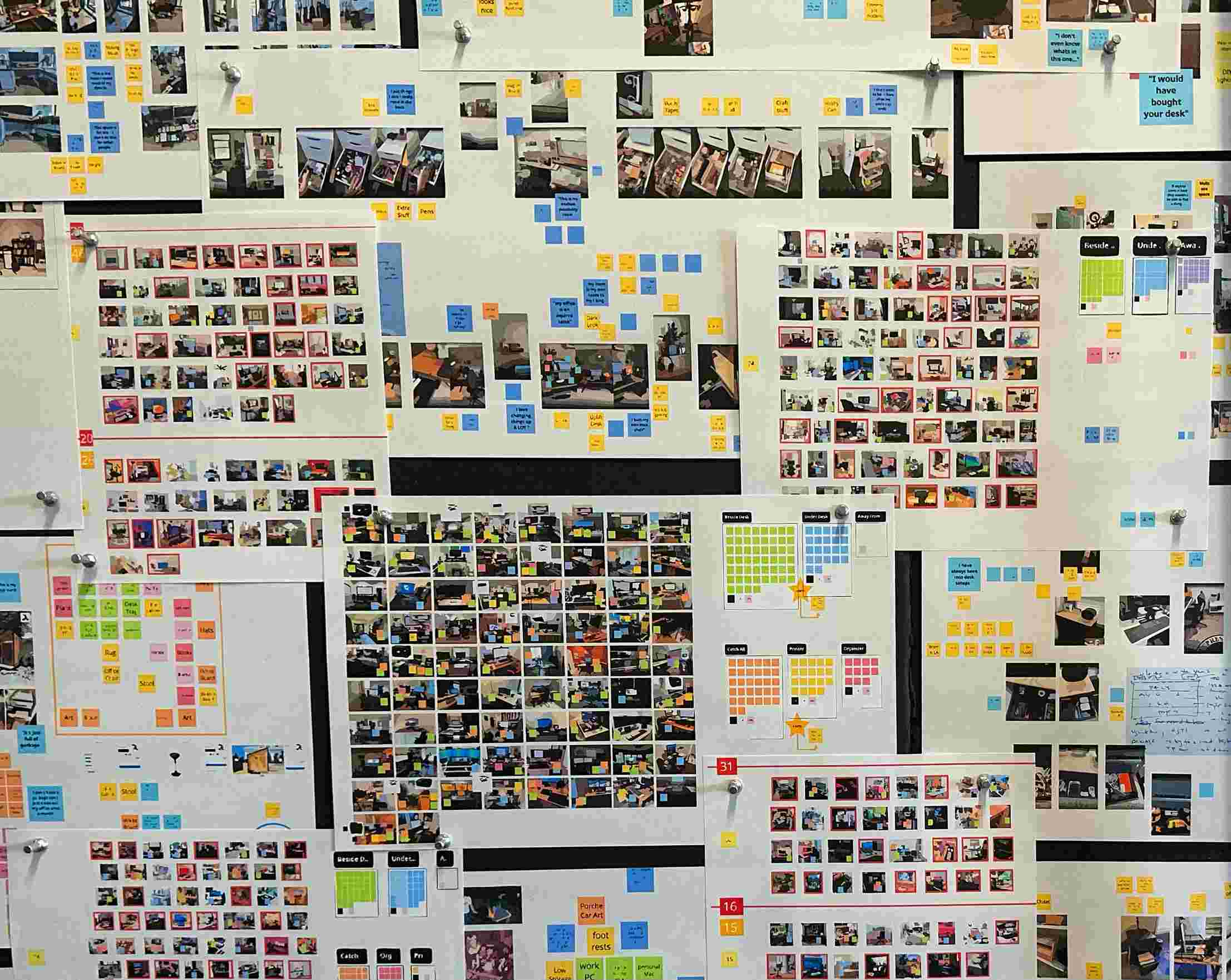



SEAN KELLY (Lead Designer): We wanted to show our workflow and give people a hands-on exercise to help them find their own. We featured the design process for the desk cart, structured around the double diamond framework: Discover, Define, Develop, Deliver. Each section got its own panel, built entirely from real sketches, research, and prototypes. That arc naturally led visitors to the desk display at the end, where they could experience the solution in action.
The hardest part was pairing it down. We had so much material from the design process and the challenge was deciding what to leave out. Every piece had to earn its place on the physical panel. It had to tell the story more clearly, not just add to it.
We also wanted to reach people who love what we do but aren't necessarily at a moment in their lives where they're ready to buy a desk. When you do something like this you're not limited by purchase intent. You get to show off the work to people who would appreciate it, whether they're shopping or not. That matters to us.
We also wanted to reach people who love what we do but aren't necessarily at a moment in their lives where they're ready to buy a desk. When you do something like this you're not limited by purchase intent. You get to show off the work to people who would appreciate it, whether they're shopping or not. That matters to us.
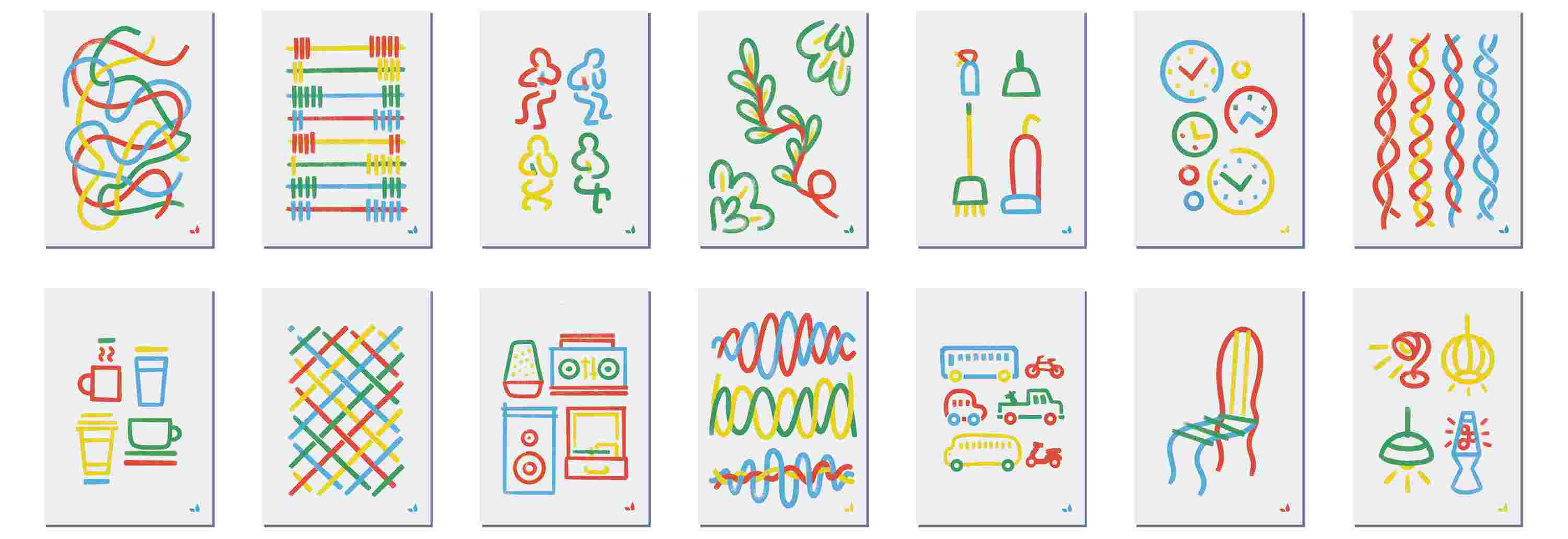
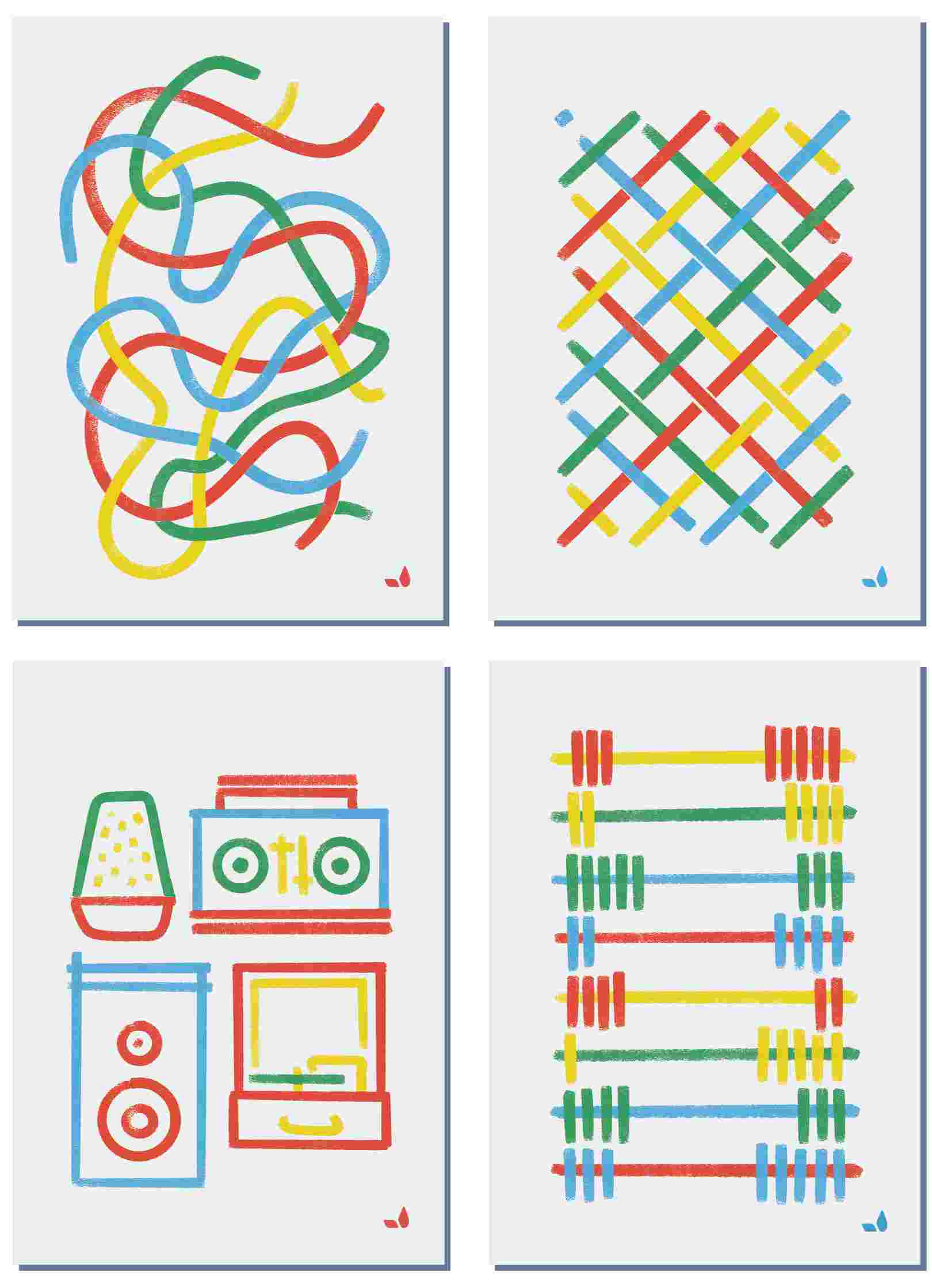
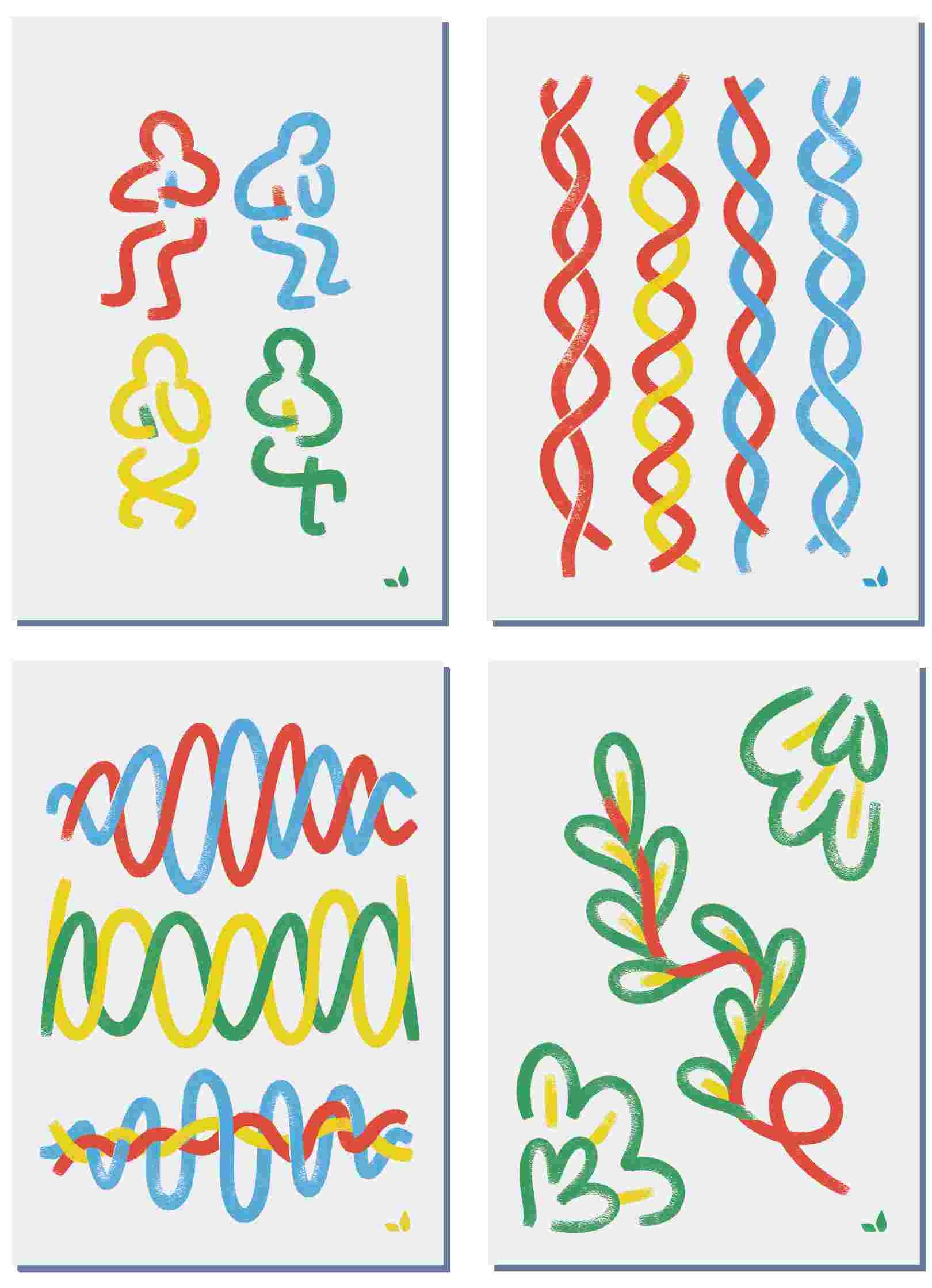
SEAN KELLY: We wanted to break flow down into something interactive and actionable. The idea came from reflecting on what actually leads to flow in our own lives. We realized that for each of us, it comes down to different ingredients. The ingredients are universal but the recipe each person makes with them is completely different. Max created a deck of cards where each card represents a different ingredient. You dial each one up or down depending on what works for you, then test the recipe. I've been using them.


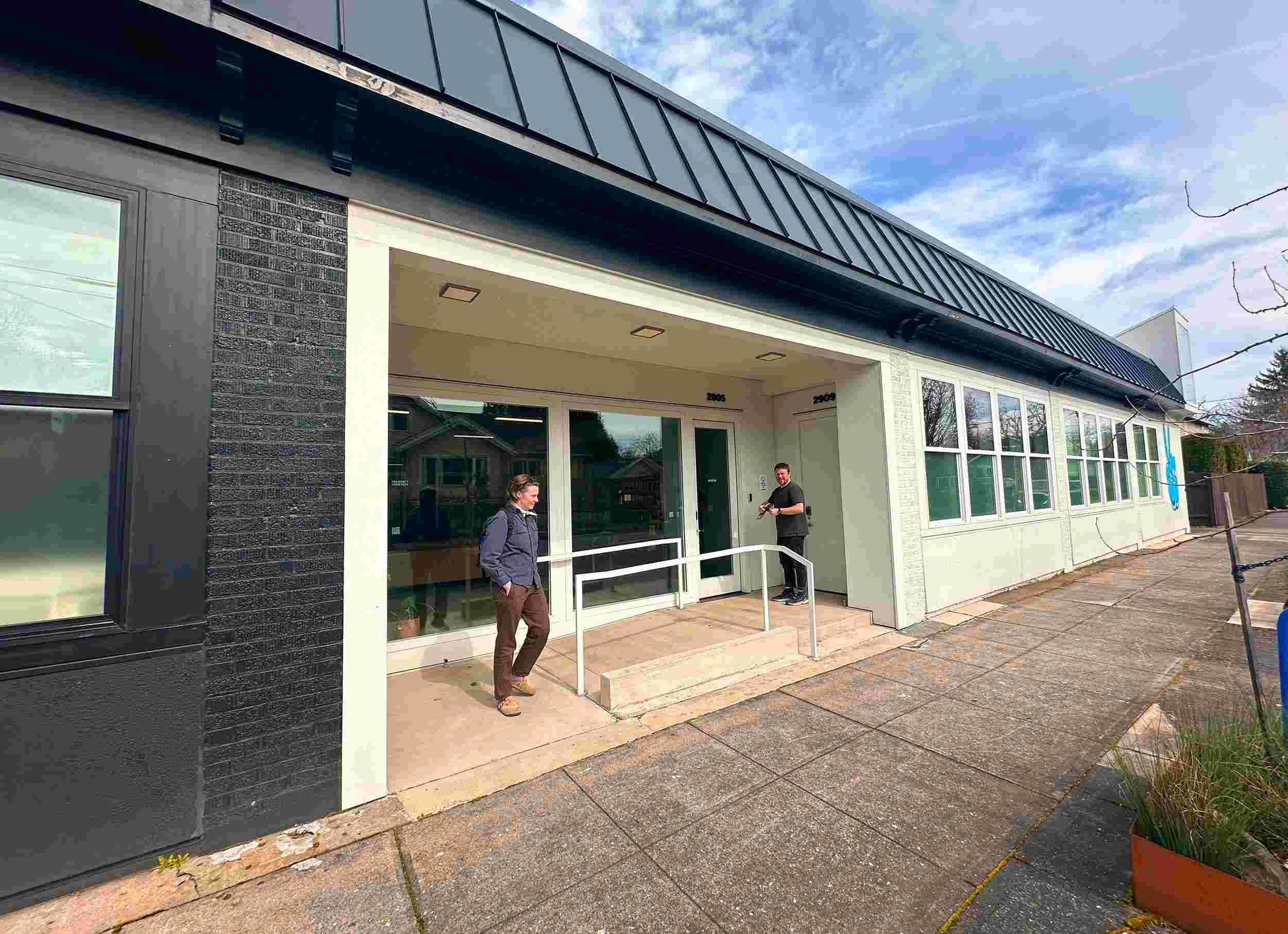
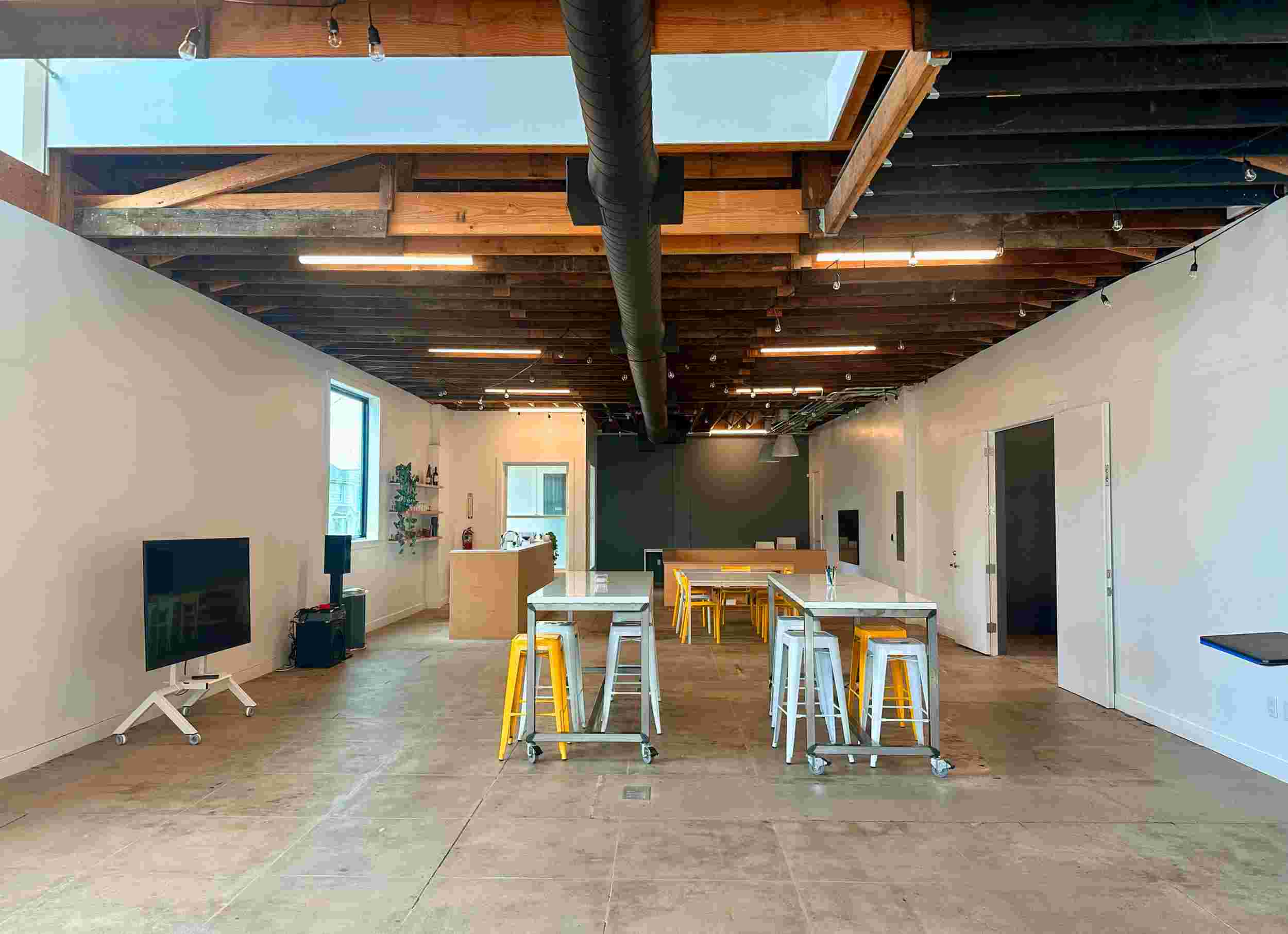
KAT LINDSLEY (Project Manager): First, we needed a venue. The creative team gave me a wishlist and I worked my way through it, looking for the right availability, capacity, and location. Once we landed on Prescott Fountain, there was a lot of back and forth to make sure it was the right fit before we committed. Because the installation was so substantial, we needed to know the space down to the last detail. We were really glad to end up there since it's operated by friends of ours.


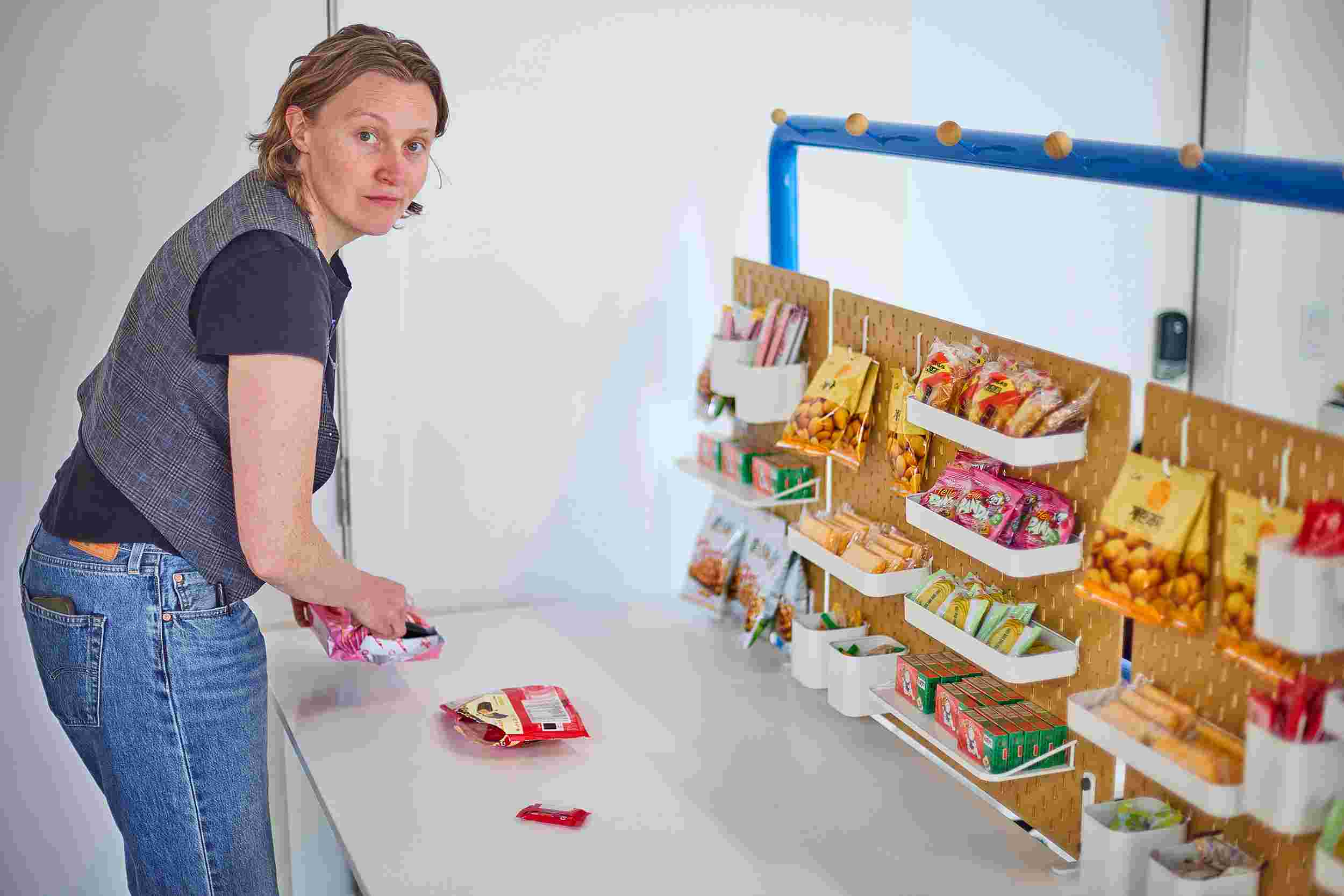
Ken handed her the reins on catering, which is how the event ended up with one of its most personal touches: a Japanese-style mini mart, otherwise known as a Konbini. Kat's background in hospitality made it feel natural. She made four trips to H-Mart in one week, bringing Ken along once to point out his favorites. Event planning can be stressful, but it’s moments like these that keep the good times rolling.

The day before the event, Kat had a call sheet with each team member's responsibility and check-in time laid out. They brought in movers for the installation, which turned out to be a game changer. It let the team save their energy for the event itself. They finished the setup with a full walkthrough, rehearsing each person's role and catching anything they'd missed.
During
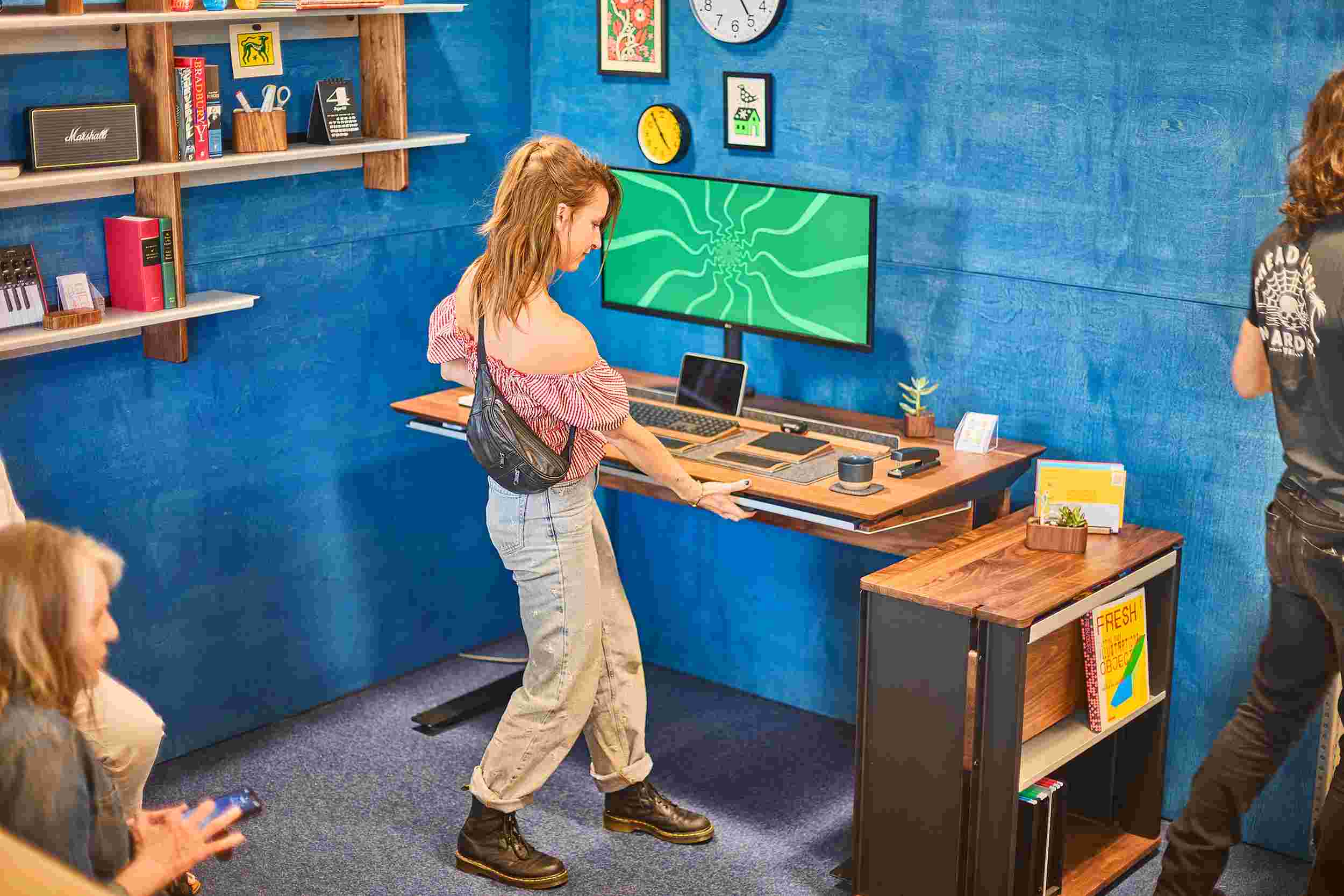

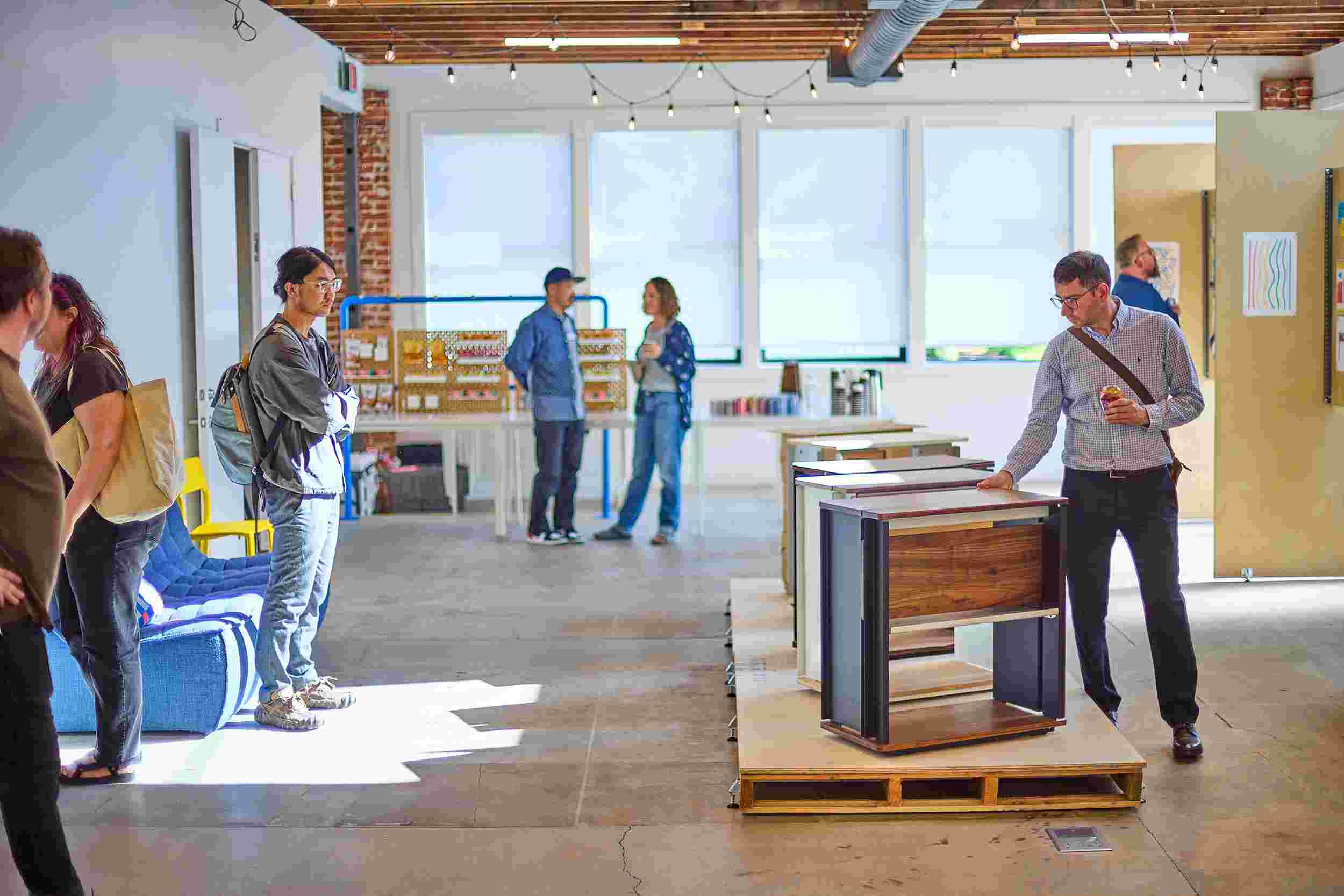

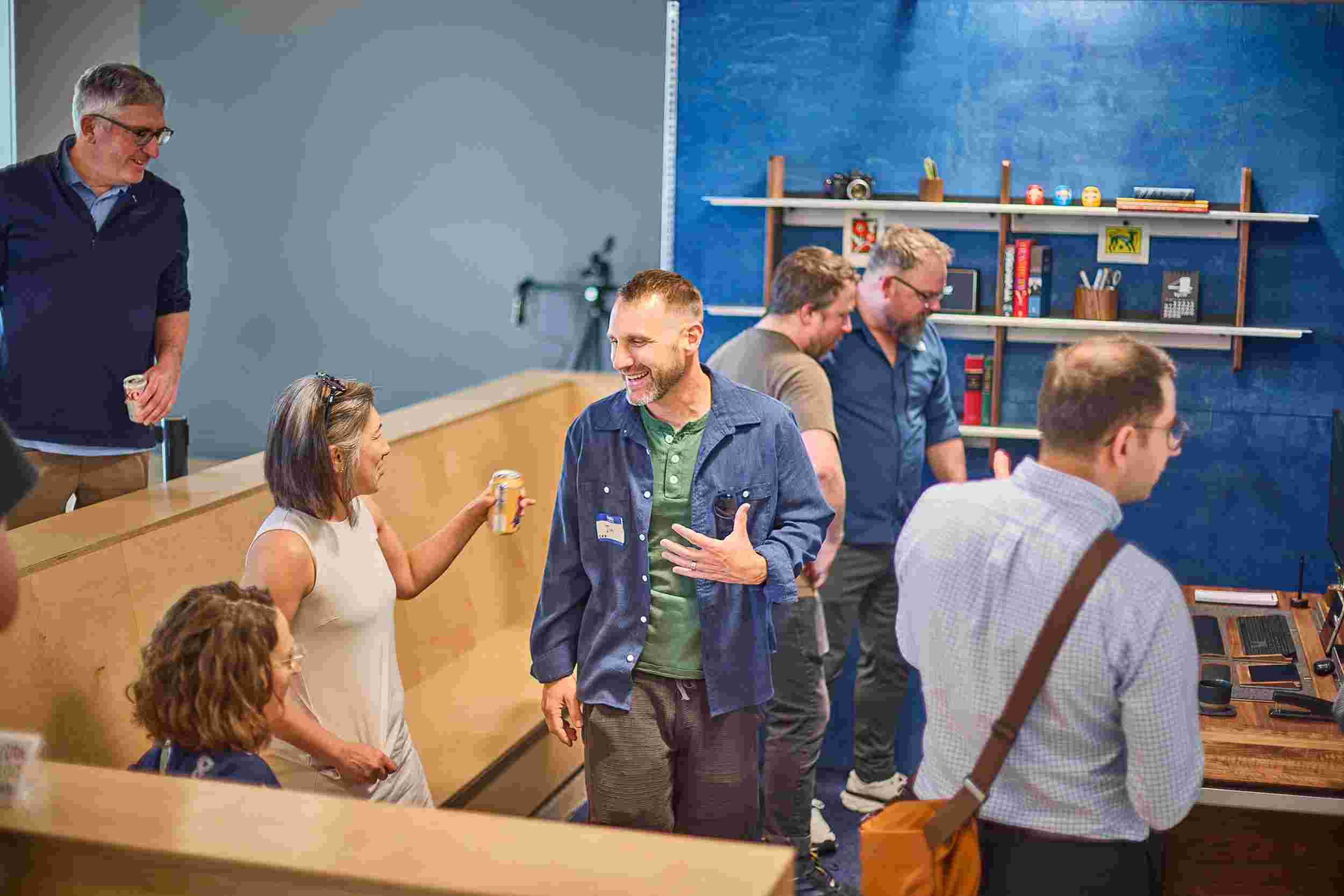
KAT LINDSLEY: It was a whirlwind. Fine-tuning last minute details right up until guests started arriving, and then we were all in host mode. As the organizer, it's my job to check all the boxes of event execution, not necessarily to mix and mingle. That seems counterintuitive when you're a people person like I am and you have all these people showing up to engage. But it was important for me to wear my hat and wear it well.
SEAN KELLY: We've never shared our work like this before. I was really proud of how it was received. The conversations I had that day were some of my favorites.
The exhibition was about showing who we really are.
KEN TOMITA
Co-Founder

After
KAT LINDSLEY: We immediately shifted focus to breakdown. We hustled, got everything packed up and back to the shop, and then ate pizza and took a moment to appreciate what we'd just pulled off. The one thing I wish I'd known going in? Exactly how many snacks to buy. We're still living off the leftovers.
On a more serious note, Kat walked away with a clear lesson: content creation around in-person events requires its own level of intentionality and planning. Its own dedicated space on the call sheet. Kat made a note. Next time, it gets one.
KEN TOMITA: More than I'd like to admit, the chaos to clarity tension is something I personally relate to. Workspaces tend to fall apart over time. They accumulate. I just went through an office remodel and it was a complete game changer. My motivation changed. I spend more time there. It's the first place I go when I wake up. That's not a coincidence. The space you build shapes how you feel about showing up to do the work.
From Chaos to Clarity was about more than showing products. It was about showing the thinking behind them, and inviting people into a conversation about how the spaces where we work shape the work itself. What struck the team most was who showed up and how they left thinking differenty about their workspace.
You don't need to overhaul everything at once. A better notepad. A shelf that gives your monitor some height. A tray that means you always know where your pen is. Intentionality tends to compound, and small moves add up, meaning that somewhere along the way the space starts working for you instead of against you.
We're taking the show on the road. Stay tuned.
You don't need to overhaul everything at once. A better notepad. A shelf that gives your monitor some height. A tray that means you always know where your pen is. Intentionality tends to compound, and small moves add up, meaning that somewhere along the way the space starts working for you instead of against you.